Rectus Diastasis in Men
Rectus diastasis in men is a widening of the Linea Alba between the two Rectus muscles, without a true fascial defect. It occurs without pregnancy, driven by chronic abdominal pressure and connective factors, and is often mistaken for a hernia. A careful assessment must separate the two, because treatment differs.
A condition described through the wrong lens
Rectus diastasis is almost always presented as a consequence of pregnancy. That framing is accurate for many women, but it has quietly narrowed the way the condition is understood, leaving male patients described through a lens that does not fit them.
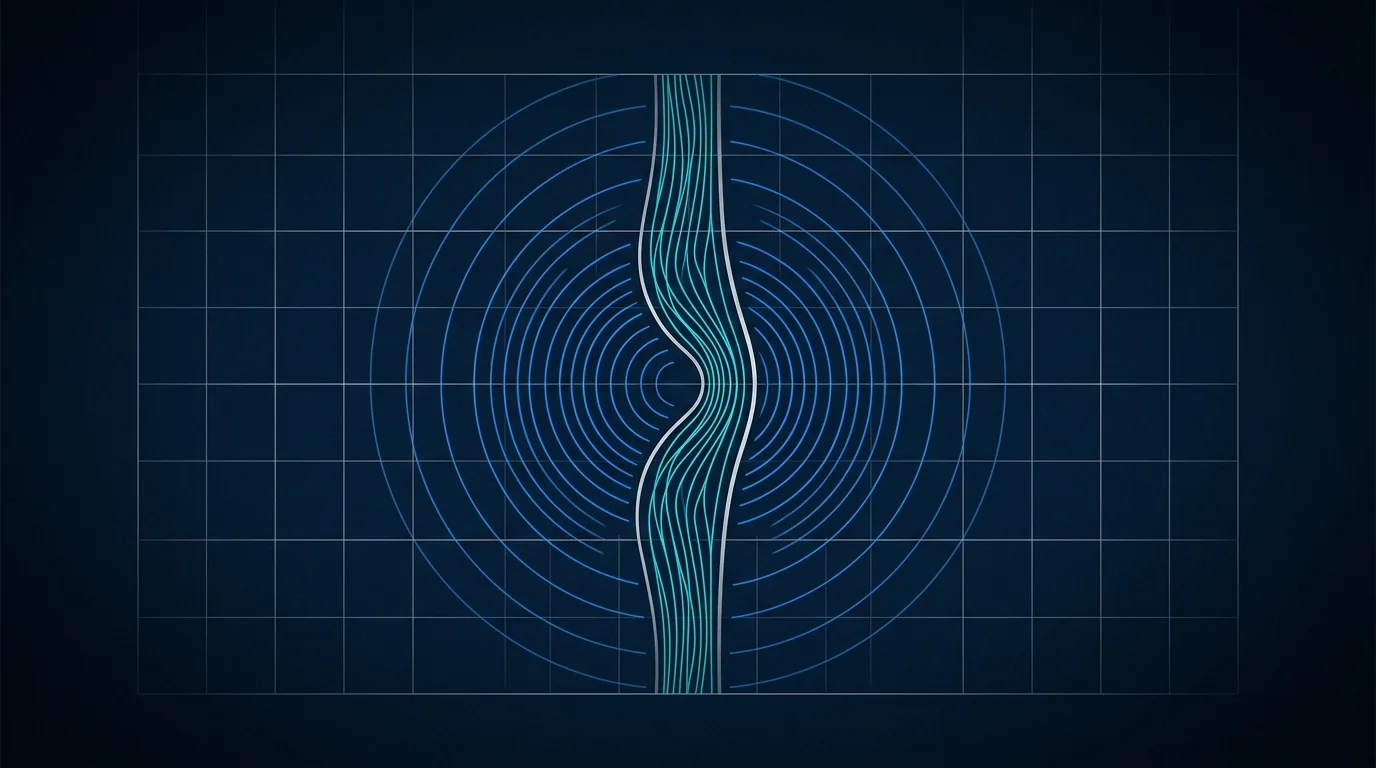
The anatomy, however, is the same in both sexes. The Linea Alba is the fibrous seam that joins the two Rectus muscles along the midline. When it stretches and thins, the muscles drift apart and the abdomen bulges centrally, especially on effort. This is diastasis, and it does not require a uterus to develop.
The practical cost of the wrong framing is that men often go unrecognized, or are told they simply have a "weak belly" or extra fat. The midline bulge is real and has a name, and naming it correctly is the first step toward a reasoned assessment.
How common is it in men, and by which threshold
Any figure on prevalence depends entirely on where the cutoff is placed. The Linea Alba has a normal width that varies with the level measured — above the navel, at the navel, below it — and with the person's build. Calling a measurement "diastasis" only makes sense against an agreed threshold.
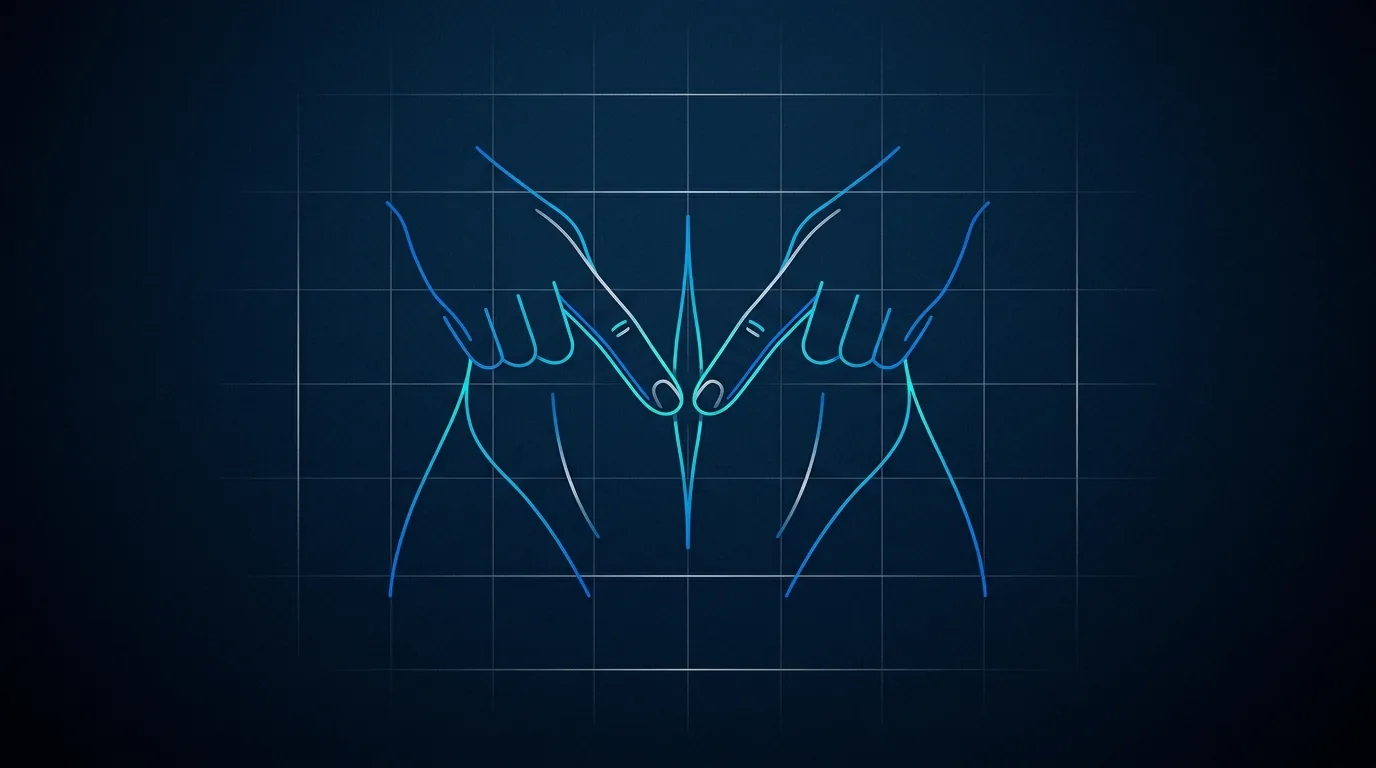
A commonly used reference considers an inter-recti distance above roughly two centimeters as abnormal, though the value differs by measurement point. Because studies use different thresholds and different populations, prevalence numbers in men vary widely and should be read with caution rather than quoted as fixed truth.
What can be said soberly is this: diastasis in men is not rare, it tends to appear later in life, and it is under-reported precisely because it is not routinely looked for. The absence of good male-specific data is itself part of the problem.
The mechanisms that need no pregnancy
If pregnancy is the classic driver in women, what stretches the Linea Alba in a man? The common thread is sustained or repeated pressure inside the abdomen acting on connective tissue that may itself be less resilient.
Several factors tend to combine rather than act alone. It is worth listing them, remembering that presence of a factor does not guarantee diastasis, and its absence does not exclude it.
- Progressive weight gain and increased visceral fat, which push the abdominal wall outward from within.
- Chronic straining: heavy lifting, persistent cough, constipation, or intense abdominal training performed with poor mechanics.
- Constitutional connective tissue quality, which varies between individuals and tends to decline with age.
- Prior abdominal surgery, which can weaken the midline locally.
None of these is a moral failing or a certainty. They describe why the central seam is put under load over years, and why the result is a gradual, often painless widening that the person notices only when the bulge becomes visible or when effort makes it protrude.
The hernia that changes the path
The single most important distinction in a male midline bulge is between diastasis and a hernia, because they are not the same condition and they do not follow the same plan.
Diastasis is a stretching of an intact Linea Alba: the tissue is thinned and widened, but there is no hole. A hernia, by contrast, is a true defect — an opening in the fascia through which fat or bowel can push. An epigastric or umbilical hernia can sit along the same midline and can coexist with diastasis, which is exactly why the two are confused.
The difference matters clinically. A hernia carries a risk, however low in a given case, of incarceration or strangulation, and that risk shapes the indication for repair. Pure diastasis carries no such risk and is frequently managed conservatively. Treating one as if it were the other leads either to unnecessary surgery or to a missed defect.
This is why a lump that changes size, becomes tender, or turns firm and irreducible deserves prompt evaluation rather than reassurance. The presence of a hernia genuinely changes the path.
What an assessment must establish
A useful evaluation does not begin with the treatment; it begins with the questions the treatment depends on. The first is whether there is a true fascial defect in addition to, or instead of, a widened Linea Alba.
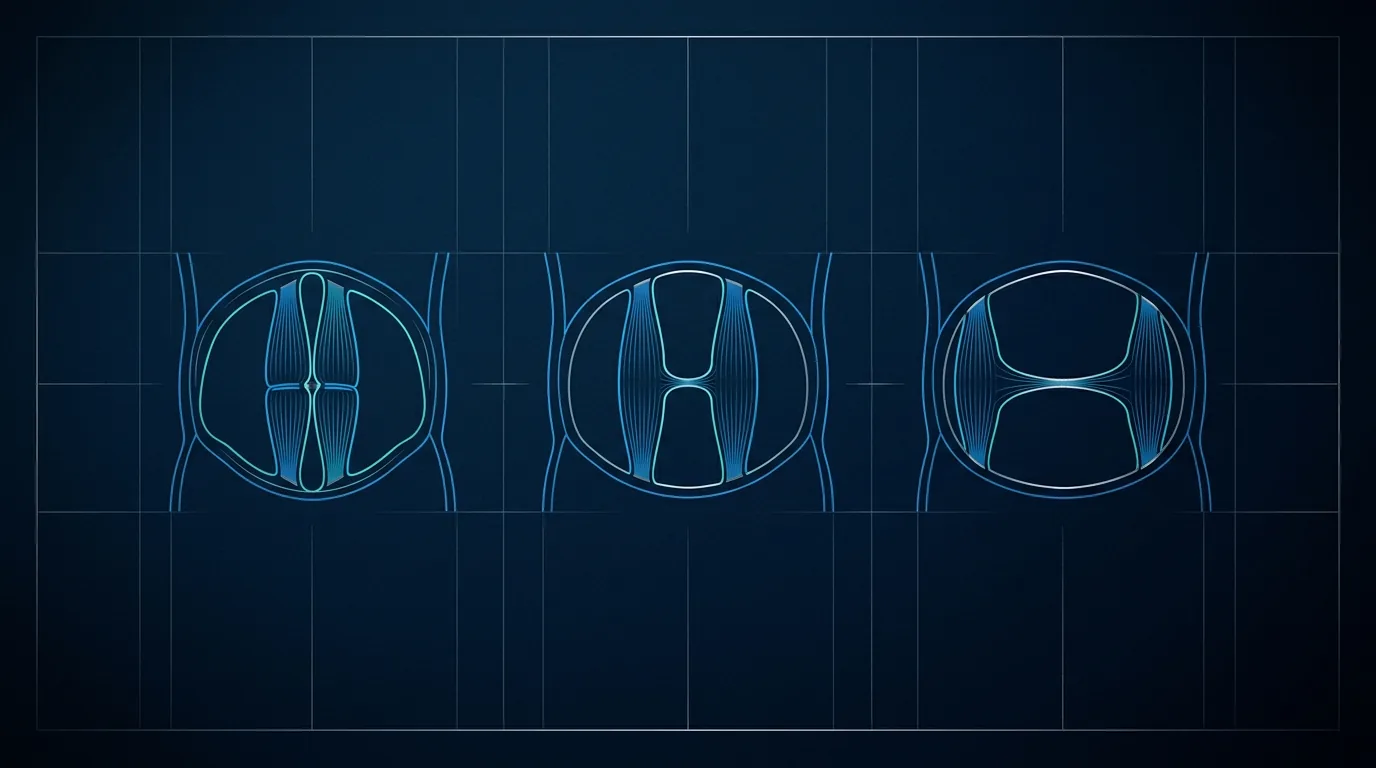
Clinical examination — with the patient relaxed and then contracting the abdomen, standing and lying down — already tells a great deal. Where doubt remains, ultrasound is a reasonable first imaging step, and cross-sectional imaging is reserved for complex or uncertain cases. The aim is to describe, not to rush to a label.
A sound assessment should clarify a small set of points before any decision is discussed.
- Whether the midline shows pure diastasis, a hernia, or both together.
- The width of the inter-recti distance and the level at which it is measured.
- Whether symptoms exist — discomfort, functional limitation, back complaints — or the finding is purely cosmetic.
- Contributing factors that can be modified, such as weight or chronic straining.
- The patient's own goals and expectations, stated honestly.
Only once these are established does a discussion of options make sense. For pure, asymptomatic diastasis, targeted conservative management is often the reasonable first line. Surgery is considered when a hernia is present, when symptoms are significant, or when a well-informed patient weighs the trade-offs and chooses repair. There is no single correct answer that applies to everyone.
Worth reading as well
Understanding the male picture is easier alongside the wider material on the anatomy of the Linea Alba, the distinction between diastasis and hernia, and the range of surgical and non-surgical options, including minimally invasive approaches. These companion topics place the individual finding in context rather than in isolation.
Sources
Statements here draw on established anatomical description of the abdominal wall and on the surgical literature distinguishing rectus diastasis from midline hernias. Because male-specific prevalence data remain limited and thresholds differ between studies, figures are given as ranges and reference values rather than as fixed percentages, and any specific number should be checked against its original source.
Anyone noticing a persistent midline bulge, or unsure whether a swelling is diastasis or a hernia, is welcome to arrange an in-person evaluation. The purpose of the consultation is to establish what the finding actually is and to set out the reasonable options, without pressure toward any particular course.
Frequently asked questions
- Can a man have rectus diastasis without ever being overweight?
- Yes. Weight gain is one contributing factor, but not the only one. Chronic straining, persistent cough, heavy lifting with poor mechanics, prior abdominal surgery, and the individual quality of connective tissue can all stretch the Linea Alba. A lean, muscular man can develop diastasis, which sometimes becomes visible precisely because there is little fat to hide the midline bulge.
- How is diastasis told apart from a hernia in men?
- Diastasis is a widened but intact midline, with no hole in the fascia. A hernia is a true defect through which tissue can push. Examination, with the abdomen relaxed and then contracted, distinguishes most cases; ultrasound helps when doubt remains. The distinction matters because a hernia can carry a small risk of incarceration, while pure diastasis does not.
- Does rectus diastasis in men always need surgery?
- No. Pure, asymptomatic diastasis is often managed without an operation, addressing modifiable factors such as weight and straining. Surgery is considered when a true hernia is also present, when symptoms are significant, or when a well-informed patient weighs the trade-offs and chooses repair. The decision follows a proper assessment, not a fixed rule, and there is no single answer for everyone.
- Can abdominal exercises close a diastasis in men?
- Targeted conservative work can improve core function, posture, and how the abdominal wall handles load, and it addresses aggravating habits. Whether it meaningfully narrows an already widened Linea Alba is uncertain and varies between individuals. Poorly performed high-pressure exercises may make matters worse. Any program should be tailored after the finding has been correctly characterized, not applied blindly.
- When should a midline bulge be evaluated promptly?
- A bulge that becomes painful, firm, tender, or can no longer be pushed back in deserves prompt evaluation, as these features can suggest a hernia complication rather than simple diastasis. A gradually appearing, painless midline prominence is less urgent but still worth assessing, mainly to establish whether a hernia coexists and to plan sensible management.
People also ask
- What is diastasis recti?
- What are the symptoms of diastasis recti?
- How do you check for diastasis recti at home?
- When does diastasis recti need surgery?
- Does diastasis recti affect men?
Pages that cover this topic
- What is diastasis recti?
- Diastasis recti in men
- Diastasis recti pictures: how to recognize it at rest and under strain
Published on: 2026-09-08 · Content by Dr. Federico Fiori