How Long Is Recovery After Surgery for Rectus Diastasis?
Recovery after rectus diastasis surgery generally spans several weeks. Daily self-care resumes within days; sedentary work in two to three weeks; driving once pain no longer limits movement. Core sport is usually deferred to twelve weeks or beyond, depending on the technique used and how the repair heals.
What does recovery after diastasis repair actually involve?
Recovery is not a single event but a sequence of phases, each with its own rhythm. The repaired Linea Alba needs weeks to regain mechanical strength, and the deeper tissues continue remodeling for months after the visible wound has closed.
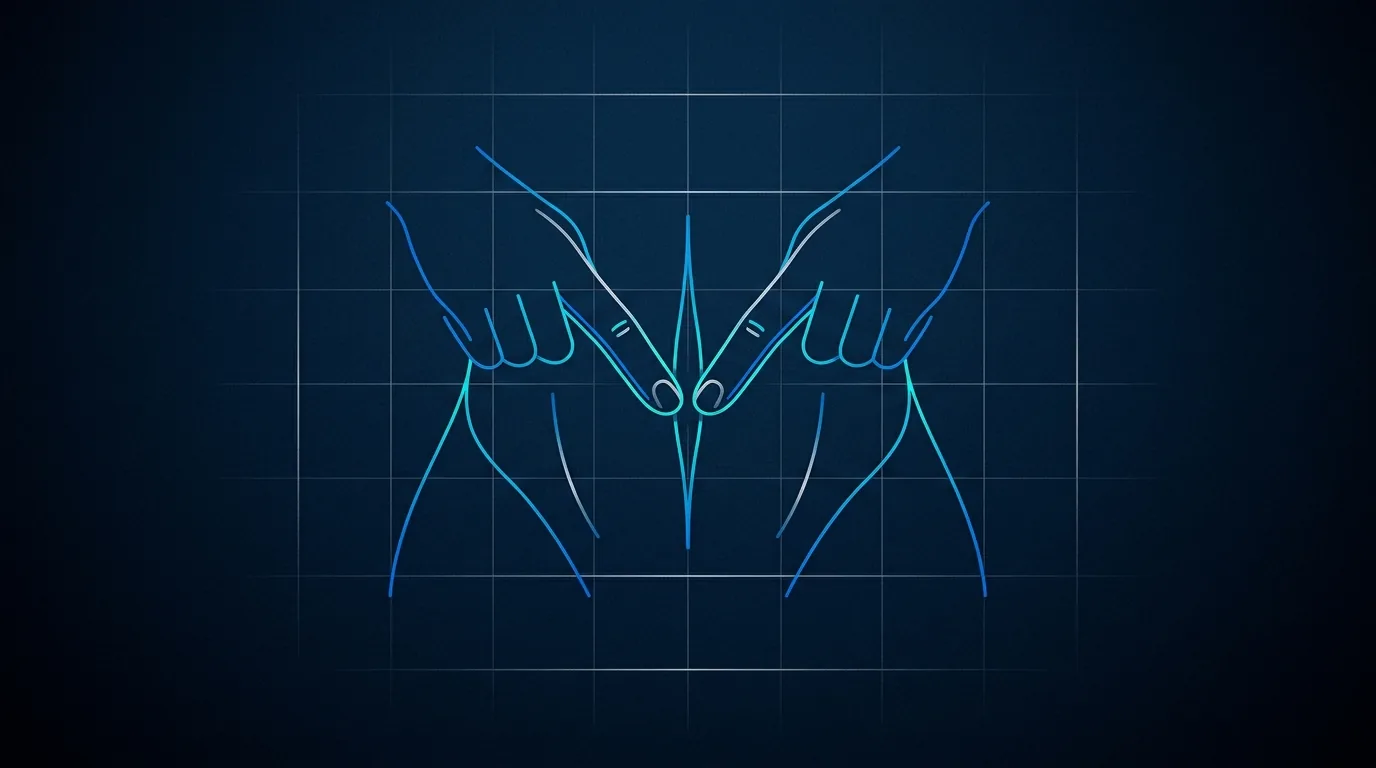
The question patients ask first is simple: when will things feel normal again? The honest answer is that comfort returns well before the tissue is fully strong. Feeling good is not the same as being healed, and this gap explains most early setbacks.
The timeline depends on several variables that must be weighed together. A small diastasis repaired with a minimally invasive route tends to recover faster than an extensive separation treated with an open approach and mesh reinforcement.
- The surgical technique used, whether open, laparoscopic, or endoscopic sublay
- The size of the separation and whether an associated hernia was repaired
- Whether a mesh was placed, and in which anatomical plane
- Body weight, smoking status, and general fitness before surgery
- How well early activity restrictions are respected
The first days: the acute phase
The initial phase, roughly the first week, is dominated by pain control and careful movement. Getting out of bed, standing upright, and coughing all pull on the repaired midline, so these motions are done slowly and with support from the hands or a pillow against the abdomen.
Walking is encouraged early, in short and frequent bouts, because gentle movement reduces the risk of clots and helps the bowel recover. What is discouraged is any effort that raises abdominal pressure sharply: lifting, straining, or sudden twisting.
An abdominal binder is often recommended in this period. Its role is mainly comfort and support rather than mechanical protection of the suture, and it is used as instructed rather than left on indefinitely.
What is normal and what is not in the first week
Some swelling, bruising, and a feeling of tightness across the abdomen are expected. A degree of numbness around the incision is also common and usually fades over weeks to months.
Certain signs, however, warrant prompt contact with the surgical team: fever, a wound that becomes increasingly red or discharges fluid, calf pain, breathlessness, or pain that grows rather than eases day by day. Reporting these early matters more than waiting to see.
Returning to daily activities
Basic self-care, washing, dressing, preparing simple meals, is generally possible within the first few days, with movements kept slow and unhurried. Independence returns gradually as pain settles.
Light household tasks can usually resume in the second or third week. The guiding principle is straightforward: activities that do not provoke pain or strain across the midline are reasonable, while anything that does should be postponed.
Lifting is the activity most often underestimated. Carrying a toddler, a full shopping bag, or a heavy pot engages the abdominal wall directly, so a deliberate limit, often a few kilograms in the first weeks, is set case by case and raised progressively.
When can driving resume?
Driving is reasonable once pain no longer limits movement and an emergency maneuver, a sudden brake or a sharp turn of the wheel, could be performed without hesitation. For many this falls around the second week, but it is judged individually rather than by a fixed date.
When is it possible to return to work?
Return to work depends far more on the nature of the job than on the calendar. The abdominal wall does not distinguish between a work task and a domestic one; it responds to load and pressure.
A sedentary or desk-based role is often resumed within two to three weeks, sometimes part-time at first, with freedom to stand and move periodically. Sitting for long stretches can itself cause stiffness, so short breaks help.
Physically demanding work, involving lifting, carrying, or prolonged standing with exertion, requires a longer pause, frequently six weeks or more. In these cases a graded return, lighter duties first, is preferable to an abrupt resumption of full load.
When can sport and core training resume?
This is where patience matters most. The repaired Linea Alba regains strength slowly, and the exercises people most want to resume, abdominal and core work, are precisely those that stress the repair.
Light cardiovascular activity such as walking can increase gradually within the first weeks. Low-impact work, stationary cycling or gentle swimming once the wound has fully healed, tends to follow a few weeks later, always short of any abdominal strain.
Direct core training, crunches, planks, heavy lifting, and high-impact sport, is generally deferred to around twelve weeks, and sometimes longer after an extensive repair. Returning earlier risks stretching the healing midline before it can hold, which is the scenario everyone wishes to avoid.
A supervised, progressive reconditioning program is valuable here. Rebuilding deep abdominal control step by step is safer than resuming a previous routine at full intensity, and it reduces the chance of overloading the repair during the vulnerable months.
What influences how fast recovery goes?
Recovery is not uniform, and two people with the same operation can follow different timelines. Several factors shift the pace in predictable ways.
Minimally invasive approaches tend to involve less wound-related pain and a quicker return to light activity, though the deep repair still needs the same months to mature. The size of the original separation, the presence of an associated hernia, and the use of mesh all affect how cautious the early weeks should be.
General health plays a part too. Smoking impairs wound healing, excess weight increases abdominal pressure, and poor baseline conditioning slows the return to strength. Addressing these before surgery, where possible, supports a smoother course afterward.
A realistic expectation, not a promise
No timeline can be guaranteed. The ranges described here reflect common patterns, but individual healing varies, and complications, though uncommon, can extend the course. An honest plan allows for this variability rather than fixing a single date.
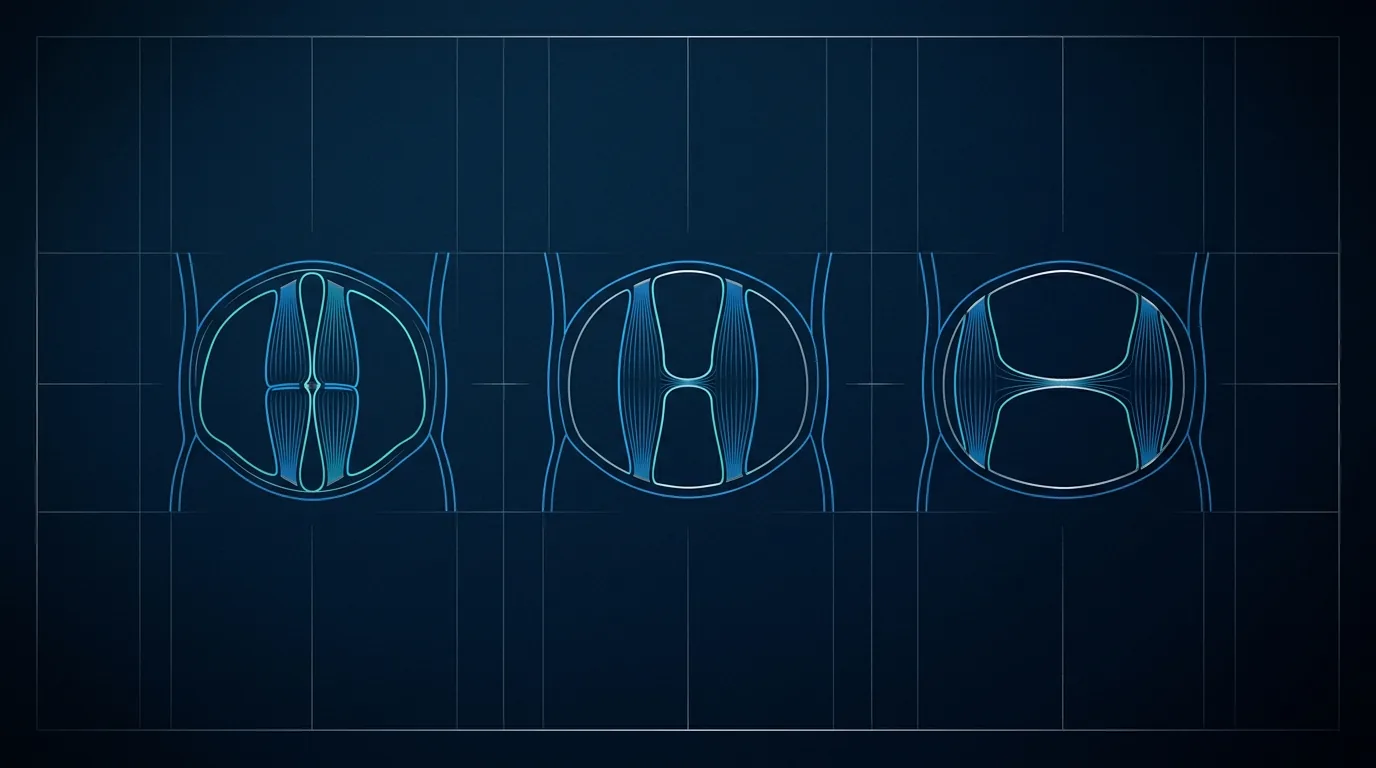
The sensible approach is to follow the staged restrictions, listen to what the abdomen tolerates without pain, and advance load gradually. The repair is protected not by a binder or a single rule but by weeks of measured, patient progression.
Anyone considering surgery for rectus diastasis, or already recovering from it, benefits from discussing their specific situation directly. A consultation allows the technique, the expected timeline, and the activity restrictions to be set against the individual's anatomy, work, and goals, so that expectations are realistic and the recovery is planned rather than improvised.
Frequently asked questions
- How long before I can lift my child after diastasis surgery?
- Lifting is one of the activities that most directly loads the repaired midline, so it is limited in the early weeks. Carrying a young child, which can mean several kilograms repeatedly, is usually postponed and then reintroduced gradually, often around the fourth to sixth week. The exact point is judged case by case, depending on the technique, the size of the repair, and how healing is progressing.
- Is recovery faster with minimally invasive diastasis surgery?
- Minimally invasive approaches generally involve smaller wounds, less early pain, and a quicker return to light daily activity. However, the deep repair of the Linea Alba still needs the same several months to regain mechanical strength, regardless of the access route. So the early comfort improves, but the restrictions on sport and heavy lifting remain similar across techniques.
- When is it safe to go back to the gym?
- Light cardiovascular work can increase gradually over the first weeks, but direct abdominal and core training, along with heavy lifting and high-impact sport, is generally deferred to about twelve weeks, and sometimes longer after an extensive repair. Resuming earlier risks stretching the healing midline before it can hold. A supervised, progressive reconditioning program is preferable to returning to a previous routine at full intensity.
- What signs after surgery should prompt me to contact the surgeon?
- Some swelling, bruising, and tightness are expected. Prompt contact is warranted for fever, a wound that becomes increasingly red or discharges fluid, calf pain or swelling, breathlessness, or abdominal pain that grows rather than eases day by day. Reporting these early matters more than waiting, since timely assessment is what allows a problem to be managed before it worsens.
- Can the diastasis come back after surgery?
- A repaired midline can be stressed and, in some cases, loosen, particularly if heavy load is resumed too early or if risk factors such as significant weight gain or a new pregnancy follow the operation. No repair is guaranteed permanent. Respecting the staged activity restrictions during the healing months, maintaining a stable weight, and rebuilding deep core control all reduce the likelihood of recurrence.
People also ask
- What is diastasis recti?
- What are the symptoms of diastasis recti?
- How do you check for diastasis recti at home?
- When does diastasis recti need surgery?
- What is recovery after diastasis surgery like?
Published on: 2026-11-16 · Content by Dr. Federico Fiori