Is Diastasis Surgery Covered by the National Health Service?
Diastasis surgery is not automatically covered, because isolated diastasis of the Rectus muscles is often classified as cosmetic. Reimbursement becomes possible when an associated hernia or documented functional impairment turns the repair into a therapeutic procedure. The decisive factor is the clinical picture, not the patient's request.
Why the "cosmetic" label is applied so easily
The question patients ask most often is whether the operation will be paid for by the public system. The honest starting point is that isolated diastasis, meaning a widening of the Linea Alba without an associated hernia, is frequently filed under cosmetic surgery.
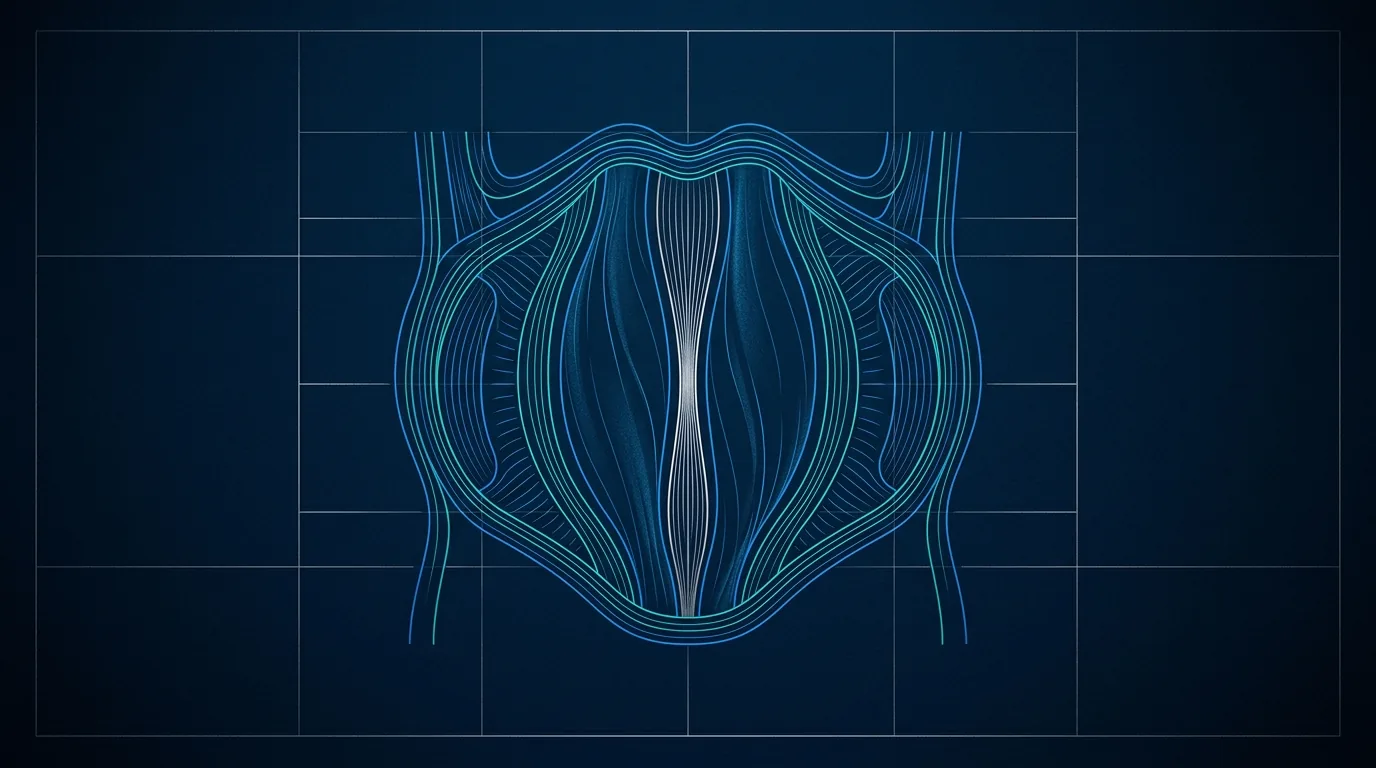
The reason is partly historical and partly administrative. Diastasis becomes visible as a bulge of the abdominal profile, and the bulge is what the patient notices first. When the visible sign dominates the request, the request is read as a wish to correct appearance.
This reading is not always wrong, but it is often incomplete. A diastasis can coexist with real functional problems, and the label attached at the first glance tends to stick to the whole file. That is why the way a case is presented and documented matters as much as the anatomy itself.
The four elements that change how a case is read
Whether a diastasis is treated as cosmetic or therapeutic is not decided by a single measurement. It depends on how several elements combine, and each of them should be assessed and written down clearly.
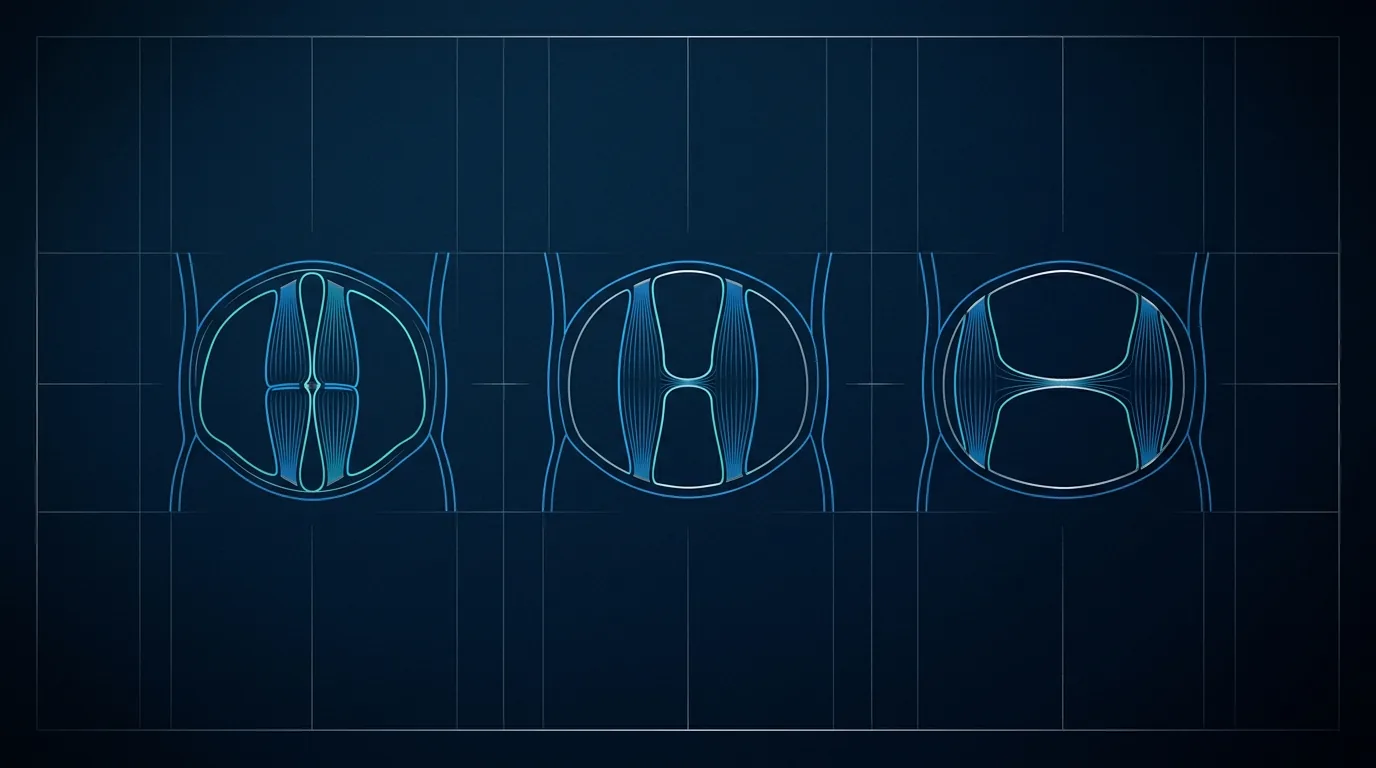
- The presence or absence of a hernia along the midline, which is the element that carries the most weight.
- The functional symptoms: pain, a sense of weakness, difficulty lifting or bearing effort, and how consistently they appear.
- The objective findings on examination and imaging, ideally an ultrasound or CT that describes the defect and any hernia.
- The clinical history, particularly whether the wall has failed under normal loads or after specific events.
None of these alone settles the question. A wide gap with no hernia and no symptoms leans toward the cosmetic reading; a modest gap with a documented hernia and consistent pain leans the other way. The judgment is made by weighing the elements together, case by case.
Why the hernia is the line that decides
If one element has to be singled out, it is the hernia. A hernia is a defect through which abdominal contents can protrude, and it carries a recognized clinical risk, including the rare but real possibility of incarceration or strangulation.
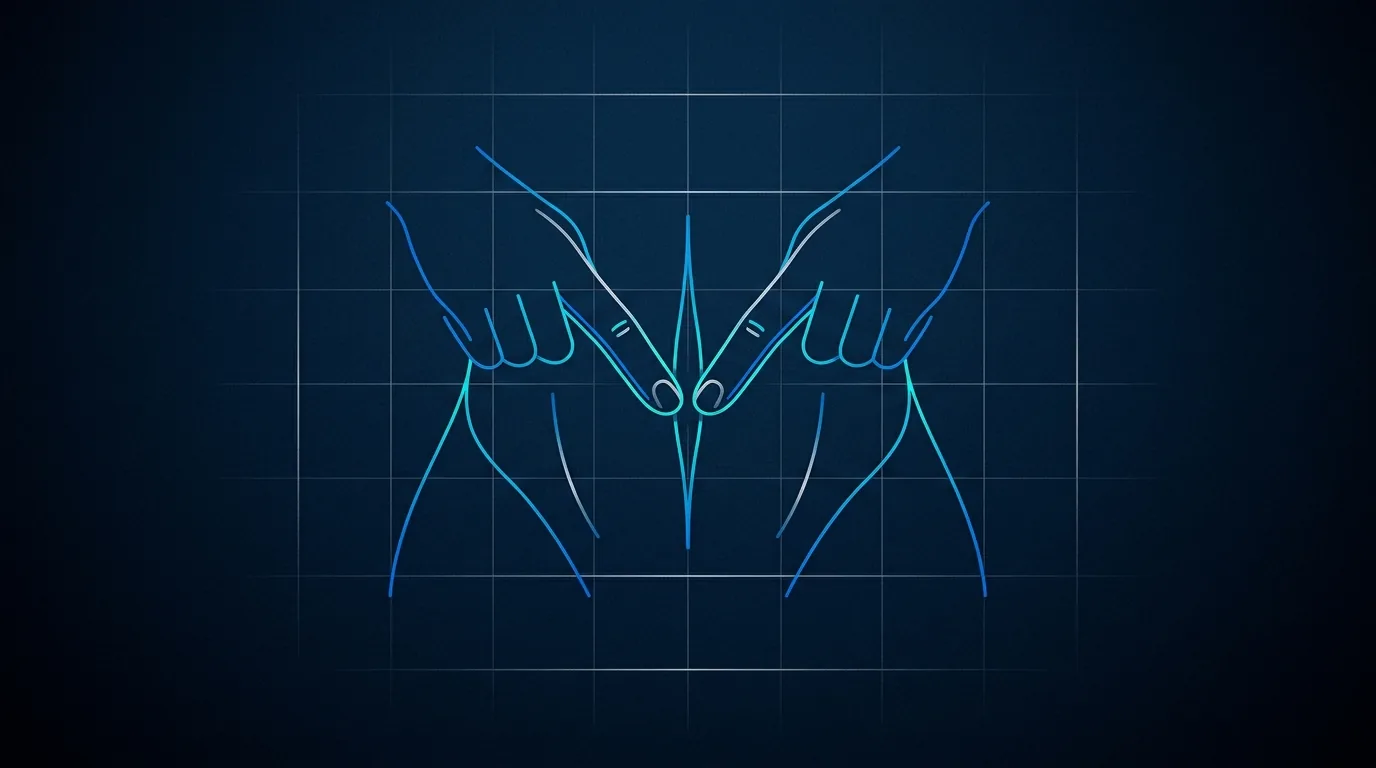
For this reason a hernia repair is a therapeutic procedure by definition, and it is normally handled within the public system. When a diastasis is associated with an umbilical or epigastric hernia, the repair of the hernia is the medically driven part of the operation.
This is where the situation becomes nuanced. Repairing the hernia well often requires addressing the weakened Linea Alba around it, because a defect closed within failing tissue tends to recur. So the diastasis repair can be part of a sound hernia treatment rather than a separate cosmetic add-on.
It should be said plainly that this reasoning has limits. The extent of the repair that is medically justified is a clinical decision, and it does not automatically license a full abdominal reshaping. The therapeutic and the cosmetic components must be distinguished honestly, both to the patient and in the record.
What is legitimate to ask, and what is not
A patient with a documented hernia and functional symptoms is entitled to have those problems assessed and, where indicated, treated within the public system. Asking for evaluation of pain, wall weakness, or a palpable defect is entirely legitimate.
What is not legitimate is to expect that a purely aesthetic request will be reclassified simply because it is inconvenient to pay for it. If there is no hernia and no functional impairment, the correction of the abdominal profile remains a cosmetic procedure, and presenting it otherwise serves no one.
There is also a middle ground that deserves honesty. Some patients have genuine symptoms and a genuine cosmetic concern at the same time. In such cases the therapeutic component may be addressed within the system, while any additional reshaping remains outside it, and this distinction should be explained before, not after, the operation.
The practical step is a proper consultation with objective documentation. An examination, an ultrasound or CT that describes the wall, and a clear account of symptoms allow the case to be read for what it is. Documentation does not create a hernia that is not there, but it prevents a real one from being overlooked.
Also worth reading
The distinction between diastasis and hernia is worth understanding in detail, because it is the hinge of this whole question. It is also useful to understand why not every diastasis requires surgery, and why conservative management, including targeted physiotherapy, is the first step in many cases.
Equally relevant is the honest discussion of surgical techniques and their recovery times. Minimally invasive approaches reduce the visible scar and, in selected cases, the recovery burden, but they do not change the underlying rule about who genuinely needs an operation.
Sources
Reimbursement rules are set by national and regional health authorities and change over time, so the general principles described here should be confirmed against current provisions and against the classification applied by the treating center at the time of assessment.
The clinical distinction between diastasis and ventral hernia, and the rationale for repairing both together when they coexist, are addressed in the abdominal wall surgery literature; specific figures on recurrence and outcomes vary by technique and population and should be read with their own denominators and study context.
A well-documented consultation is the concrete next step. Bringing any prior imaging, describing symptoms honestly, and asking directly whether a hernia is present allows a realistic answer on whether the procedure can be handled within the public system, and on what recovery to expect.
Frequently asked questions
- Is isolated diastasis, without a hernia, ever covered?
- Isolated diastasis without an associated hernia is usually classified as a cosmetic condition, and in that case the public system generally does not cover surgery. The picture can change if there is well-documented functional impairment, but a wide gap alone, with no hernia and no symptoms, tends to fall outside reimbursement. Each case must be assessed on its own findings.
- How is the presence of a hernia established?
- A hernia is established through clinical examination and imaging, most often an ultrasound or, when needed, a CT scan of the abdominal wall. The examination looks for a palpable defect and reproducible symptoms, while imaging describes the size and location of any opening. Documentation matters, because it distinguishes a true hernia requiring treatment from a diastasis without one.
- If a hernia is present, is the whole diastasis repair covered?
- Not necessarily in full. The hernia repair is therapeutic, and treating the weakened Linea Alba around it is often part of a sound repair. However, the extent that is medically justified is a clinical decision, and it does not automatically include full abdominal reshaping. The therapeutic and cosmetic components should be distinguished clearly before the operation.
- Can functional symptoms alone justify coverage without a hernia?
- Documented functional impairment can weigh in favor of a therapeutic reading, but symptoms alone, without objective findings, are a weaker basis than a demonstrated hernia. Pain and a sense of wall weakness should be assessed and recorded, and other causes ruled out. Whether they justify surgery within the public system is judged case by case, not assumed.
- What should be brought to the consultation?
- Any prior imaging of the abdominal wall, a clear account of symptoms and when they appear, and the relevant history, such as pregnancies or significant weight change. A direct question about whether a hernia is present is worth asking. This allows a realistic answer on whether the procedure can be handled within the public system and on the expected recovery.
People also ask
- What is diastasis recti?
- What are the symptoms of diastasis recti?
- How do you check for diastasis recti at home?
- When does diastasis recti need surgery?
Published on: 2026-11-02 · Content by Dr. Federico Fiori