Rectus diastasis: aesthetic or functional problem?
Rectus diastasis is aesthetic when it only causes a bulge or a slackening of the abdominal wall, with no symptoms. It becomes functional when it comes with pain, trunk instability, difficulty using the core or postural problems. Surgery is mainly considered in the second case, after a conservative pathway.
Rectus diastasis is the separation of the two muscle bellies along the midline of the abdomen, caused by the thinning and widening of the linea alba, the connective sheet that joins them. It is a very common condition, particularly after pregnancy and in some situations of significant weight change.
The point that causes most confusion, among the patients seen in the clinic, is whether this is an aesthetic or a functional problem. They are two different planes, often present together, but they need to be kept apart in order to decide what to do.
What exactly is rectus diastasis?
Picture two vertical muscle bands joined in the middle by a tendinous sheet. When that sheet stretches, the muscles separate and the wall loses part of its firmness. It is not a tear and it is not a hole: it is the giving way of the fabric in between.
By convention, diastasis is described when the distance between the recti exceeds roughly 2 to 2.5 centimetres, measured at different levels relative to the navel. But the number alone says little: what counts is how that wall works and how the person experiences it.
It is important not to confuse it with a hernia. In diastasis the linea alba is stretched but continuous; in a hernia there is a true defect through which tissue can protrude. The two conditions can coexist and must be assessed together.
When is diastasis mainly an aesthetic problem?
In many cases diastasis shows itself only as a central bulge or swelling of the abdomen, more evident under effort or when rising from lying down. The person perceives an abdomen that does not go back to being flat despite physical activity.
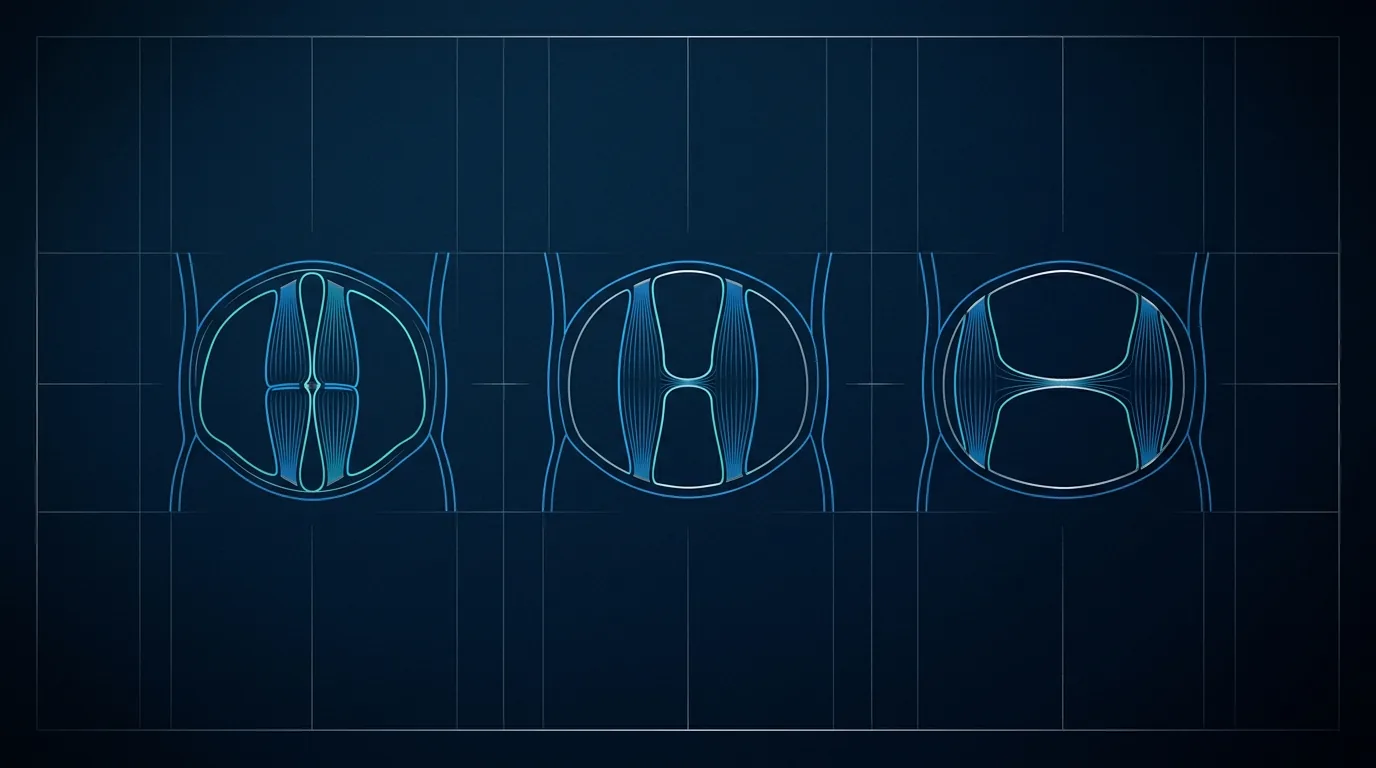
Here the discomfort has to do with body image, not with a symptom. There is no pain, no limitation in everyday movements, no digestive or urinary complaints that can be linked to it. It is an aesthetic experience, entirely legitimate, but different in nature from a functional problem.
Recognising this is useful for the patient. Aesthetic discomfort does not necessarily call for surgery and, when surgery is chosen, it should be framed with realistic expectations rather than as the cure of a disease.
When does diastasis become a functional problem?
The abdominal wall is not only a matter of appearance: it takes part in trunk stability, posture, breathing and continence. When the diastasis is wide, or comes with a diffuse weakness, those tasks can suffer.
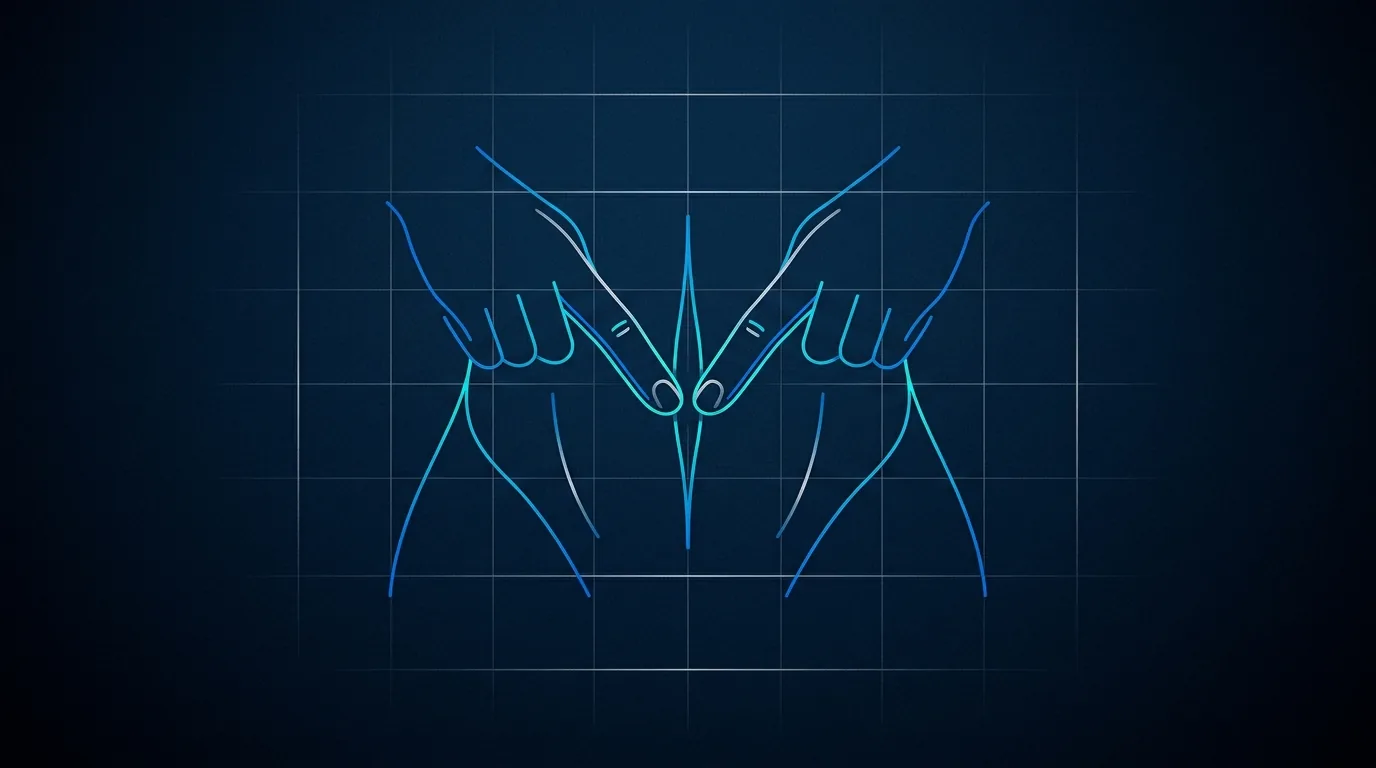
The functional symptoms assessed with most attention are several, and they are not always present together.
- Pain or a sense of tension along the midline, especially under effort
- A feeling of trunk instability, or of little support during movement
- Low back or postural pain with no other explanation
- Difficulty with movements that require abdominal contraction, such as lifting
- Mild urinary complaints, or a sense of pressure on the pelvic floor
- Abdominal bloating and digestive complaints, in some cases
None of these symptoms, on its own, proves that diastasis is the cause. The work of the assessment is to rule out other explanations and to weigh how much the weakened wall contributes to the overall picture.
How are the aesthetic and the functional plane told apart during the assessment?
During the consultation the diastasis is assessed by asking the patient to contract the abdomen and observing how the wall behaves in different positions. The width is measured at several levels, and associated hernias — umbilical ones in particular — are checked for.
The patient is then asked, without hurry, which complaints they attribute to the diastasis and for how long. An ultrasound scan of the wall often helps to confirm the measurement and to distinguish diastasis from a hernia; in selected cases a CT scan or an MRI is used.
What emerges from this is whether the picture is one of mainly aesthetic discomfort, a functional problem, or a combination of the two. It is a distinction that changes every decision that follows.
Why does the conservative pathway come before surgery?
In almost every case the first proposal is a conservative pathway, particularly after pregnancy, when the tissues still have room to recover in the months following delivery.
Rehabilitation with a physiotherapist experienced in the abdominal wall and the pelvic floor can improve core control, reduce some functional symptoms and teach how to manage load. It does not close the diastasis in anatomical terms, but it often softens its consequences.
For purely aesthetic discomfort, the conservative pathway has to be accompanied by honest expectations: exercise improves tone and posture, but it rarely brings the muscles back together in a stable way when the linea alba is very stretched.
When is surgery genuinely indicated?
Surgery is considered above all when there are persistent functional symptoms that do not improve with rehabilitation carried out properly for an adequate time, usually some months.
The indication becomes clearer when a hernia is present, because in that case what is being treated is not only a giving way but a true defect of the wall, which can justify the operation regardless of appearance.
When the reason is exclusively aesthetic, surgery remains a possible but elective choice. It should be discussed with balance, explaining that this is an operation with its own risks and not a trivial procedure.
The repair consists of bringing the recti back together and reinforcing the wall. There are open and minimally invasive techniques, including endoscopic approaches that allow the wall to be repaired through small incisions. The choice depends on the width of the diastasis, on the presence of hernias and on the characteristics of the patient.
What can be realistically expected?
No technique guarantees an identical result for everyone. Functional recovery, when the indication was correct, tends to be satisfactory, but it asks for patience and a gradual return to physical activity.
On the aesthetic side, an improvement of the abdominal profile is frequent, especially when any excess skin is corrected as well. It remains an operation, though, with healing times, possible complications and the need to follow the post-operative instructions.
It is better to speak of reasonable objectives than of promises. An informed patient, who has understood why they are being operated on and what to expect, deals far better with both the decision and the recovery.
In short
Diastasis is aesthetic when it produces only discomfort with one's image and no symptoms; it is functional when it affects stability, posture or everyday comfort. The first step is almost always conservative. Surgery finds its soundest indication in persistent functional pictures and in the presence of a hernia.
If you are living with a diastasis and are not sure whether yours is an aesthetic or a functional problem, a focused consultation makes it possible to frame the situation clearly and to build a pathway that fits, without pushing towards an operation.
Frequently asked questions
- Can rectus diastasis close without surgery?
- In the period after delivery the tissues still have room to recover, and rehabilitation can reduce symptoms and improve control of the trunk. When the linea alba is very stretched, however, exercise rarely brings the muscles back together in a stable way. In those cases what improves is function rather than anatomy.
- How do I know whether my diastasis is giving functional symptoms?
- The signs assessed are pain along the midline, a sense of trunk instability, low back pain with no other cause, difficulty with movements that require strength and sometimes urinary or pelvic floor complaints. No symptom, on its own, proves that diastasis is the cause: an assessment is needed that rules out other explanations.
- Is diastasis the same thing as a hernia?
- No. In diastasis the linea alba is stretched but continuous, with no true defect of the wall. In a hernia there is an opening through which tissue can protrude. The two conditions can coexist and must be assessed together, because the presence of a hernia makes the indication for surgery clearer.
- Does it make sense to operate on a diastasis for aesthetic reasons only?
- It is a possible but elective choice. When there are no functional symptoms and no hernia, the operation answers a legitimate discomfort with one's image, not a disease. It should be decided with realistic expectations, aware that this is surgery, with risks and recovery times.
- How long does recovery take after a diastasis repair?
- It depends on the technique and on the individual case. As a rule the first weeks call for caution with load, with a gradual return to physical activity over some weeks or months. Minimally invasive techniques can reduce the initial discomfort. Instructions on returning to sport are given case by case.
People also ask
- What is diastasis recti?
- What are the symptoms of diastasis recti?
- How do you check for diastasis recti at home?
- When does diastasis recti need surgery?
Published on: 2026-09-12 · Content by Dr. Federico Fiori