A second opinion after abdominoplasty: what can still be corrected
A bulge that returns after abdominoplasty usually has one of three explanations: the wall was closed under tension with sutures alone and gave way, a hernia was present and was not addressed, or the shape that remains is a matter of fat and skin rather than of the wall. Establishing which of the three applies, with imaging and not with the naked eye, comes before any discussion of a revision.
The three explanations, and how they differ
The first is a plication that has given way. Bringing the rectus muscles together with sutures alone puts tissue that has already stretched under tension, and where that tension exceeds what the tissue can hold, the midline reopens over months or years.
The second is a hernia that was present and was not addressed, or a satellite defect along the midline that went unrecognised at the first operation. A defect left behind does not resolve, and it becomes visible once the swelling has settled.
The third is not a failure of the wall at all. The wall is holding, and the shape that disappoints depends on the layers in front of it: residual fat, skin that has not retracted, or an unfavourable distribution of both.
These three lead to entirely different proposals, which is why distinguishing them is the whole of the work at this stage.
Why guidance points to a mesh in this situation
Guidance on rectus diastasis suggests plication in patients without a concomitant hernia and a mesh-based repair where a hernia is present alongside the diastasis (British Journal of Surgery 2021 — DOI 10.1093/bjs/znab128).
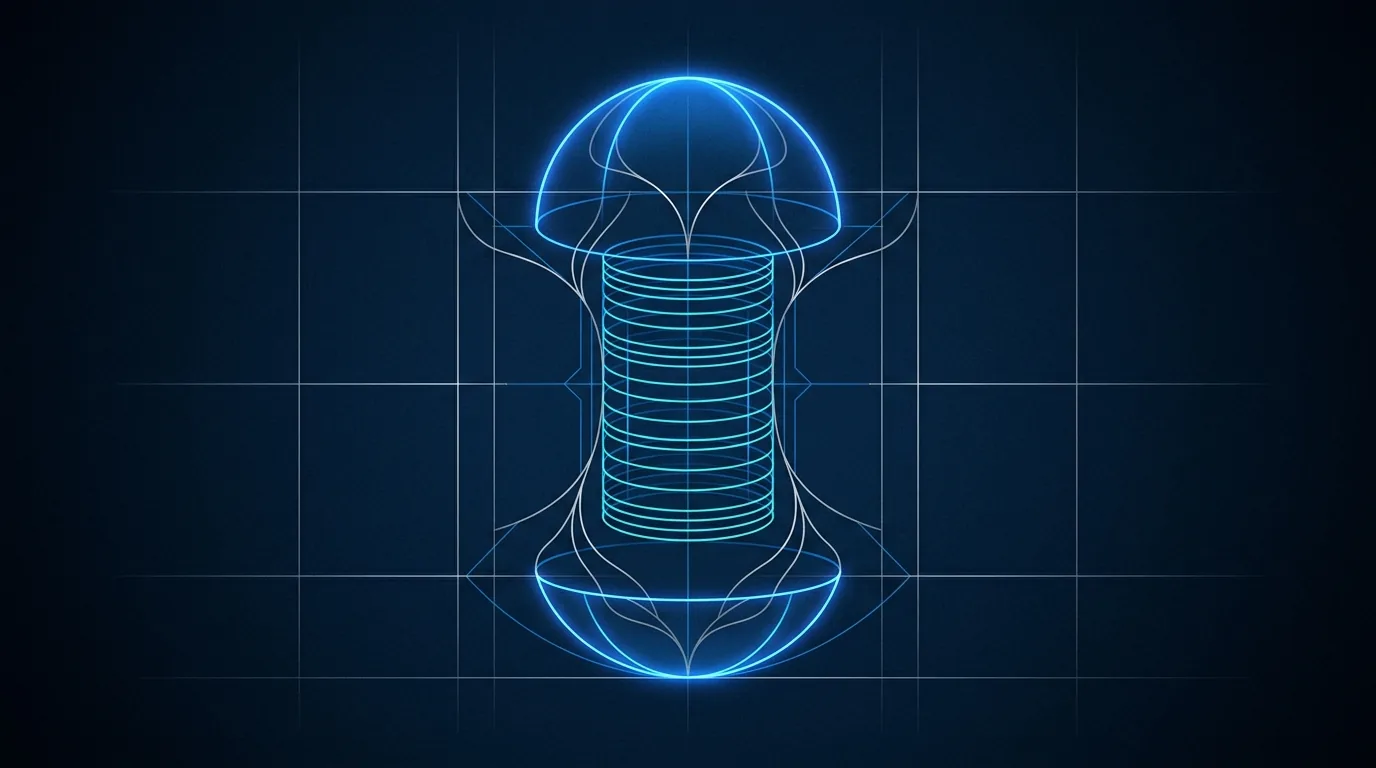
In a revision the reasoning is stronger still. The tissue has already given way once, so a repair that relies on the same tissue holding the same tension repeats the conditions of the first failure. A prosthesis distributes that tension over a wider area.
The plane in which the mesh is placed matters as much as its presence. A retromuscular position is held against the wall by abdominal pressure itself and stays away from the bowel, which is why it is generally preferred to more superficial placements.
What has to be established before a revision
The sequence is the same regardless of who performed the first operation, and none of it involves attributing blame.
- the operative note of the first procedure: which technique, whether a mesh was used, in which plane;
- clinical examination standing and on effort, where a recurrent defect becomes visible;
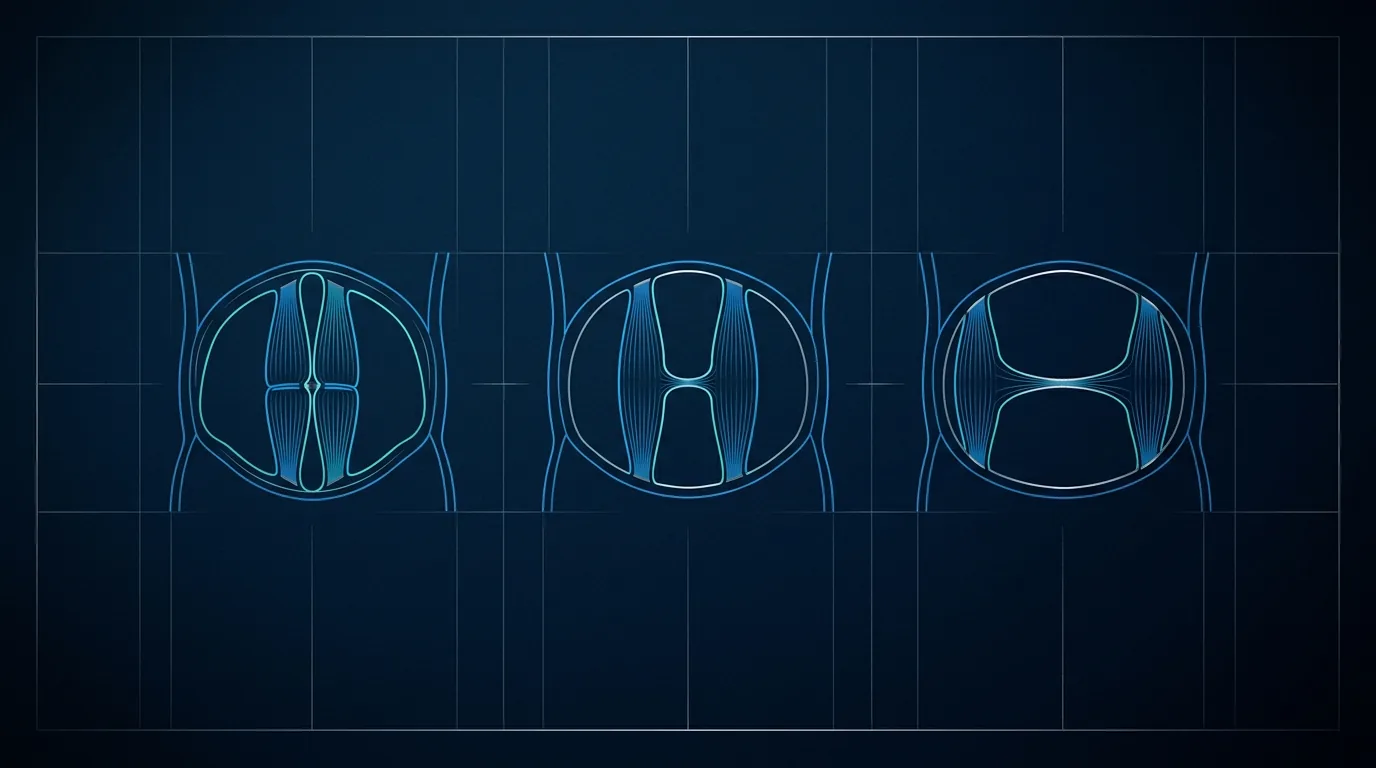
- CT of the wall: width of the defect, state of the rectus muscles, hernias, satellite defects;
- how much of the residual shape depends on the wall and how much on fat and skin;
- the modifiable factors: weight, smoking, diabetes, constipation, chronic cough.
The last point is not a formality. A revision carried out on an unoptimised patient repeats the conditions that contributed to the first failure, and the interval before surgery is the time in which those conditions can be changed.
What is realistic, and what is not
A revision can restore a functional midline and improve the profile substantially. It cannot return the abdomen to a state that never existed, and it works with tissue that has been dissected before, with scarring that is not always predictable.
Recovery is generally longer than after a first repair, and the risk of wound complications is higher. These are reasons to plan carefully, not reasons to refuse: they belong in the conversation before the decision.
What should never be part of that conversation is a promise. A revision offers a reasonable prospect of improvement, discussed with its risks, or it offers nothing worth accepting.
Also worth reading
Sources
- Hernández-Granados P, et al. European Hernia Society guidelines on management of rectus diastasis. British Journal of Surgery 2021 — DOI 10.1093/bjs/znab128
- Prevalence, risk factors, and adverse outcomes of diastasis of rectus abdominis in men: a cross-sectional study. Hernia 2024 — DOI 10.1007/s10029-024-03225-3
Frequently asked questions
- Why did the bulge come back after an abdominoplasty?
- Most often because the midline was closed with sutures alone, under tension, and gave way; or because a hernia or a satellite defect was present and not addressed; or because the wall is holding and the residual shape depends on fat and skin. Imaging distinguishes these three, appearance does not.
- Is a revision more difficult than the first operation?
- Generally yes. The tissues have already been operated on and are less reliable, scarring is less predictable, recovery tends to be longer and the risk of wound complications higher. These are reasons for careful planning rather than for refusal.
- Will a mesh be needed the second time?
- Frequently. Guidance already suggests mesh reinforcement where a hernia accompanies the diastasis, and in a revision the tissue has demonstrably given way once. Relying on the same tissue to hold the same tension repeats the conditions of the first failure.
- How long should be left before a revision?
- Long enough for the tissues to settle and for the modifiable factors to be corrected: weight, smoking, diabetes, constipation, chronic cough. Waiting in order to optimise is not neglect; it is what makes the second repair more likely to hold.
People also ask
- What is diastasis recti?
- What are the symptoms of diastasis recti?
- How do you check for diastasis recti at home?
- When does diastasis recti need surgery?
- What is recovery after diastasis surgery like?
Published on: 2026-08-21 · Content by Dr. Federico Fiori