Breathing, Abdominal Pressure, and the Exercises That Make Things Worse
Intra-abdominal pressure rises with every effort and pushes outward against the Linea Alba. When that pressure is poorly managed, exercises like sit-ups or planks can bulge a Diastasis rather than help it. What matters most is how breathing and effort are coordinated, not the movement itself.
How does pressure behave inside the abdomen?
The abdomen can be pictured as a closed chamber. The diaphragm forms its roof, the pelvic floor its base, the deep abdominal muscles and the spine its walls. Any effort that engages these structures changes the pressure inside that chamber.
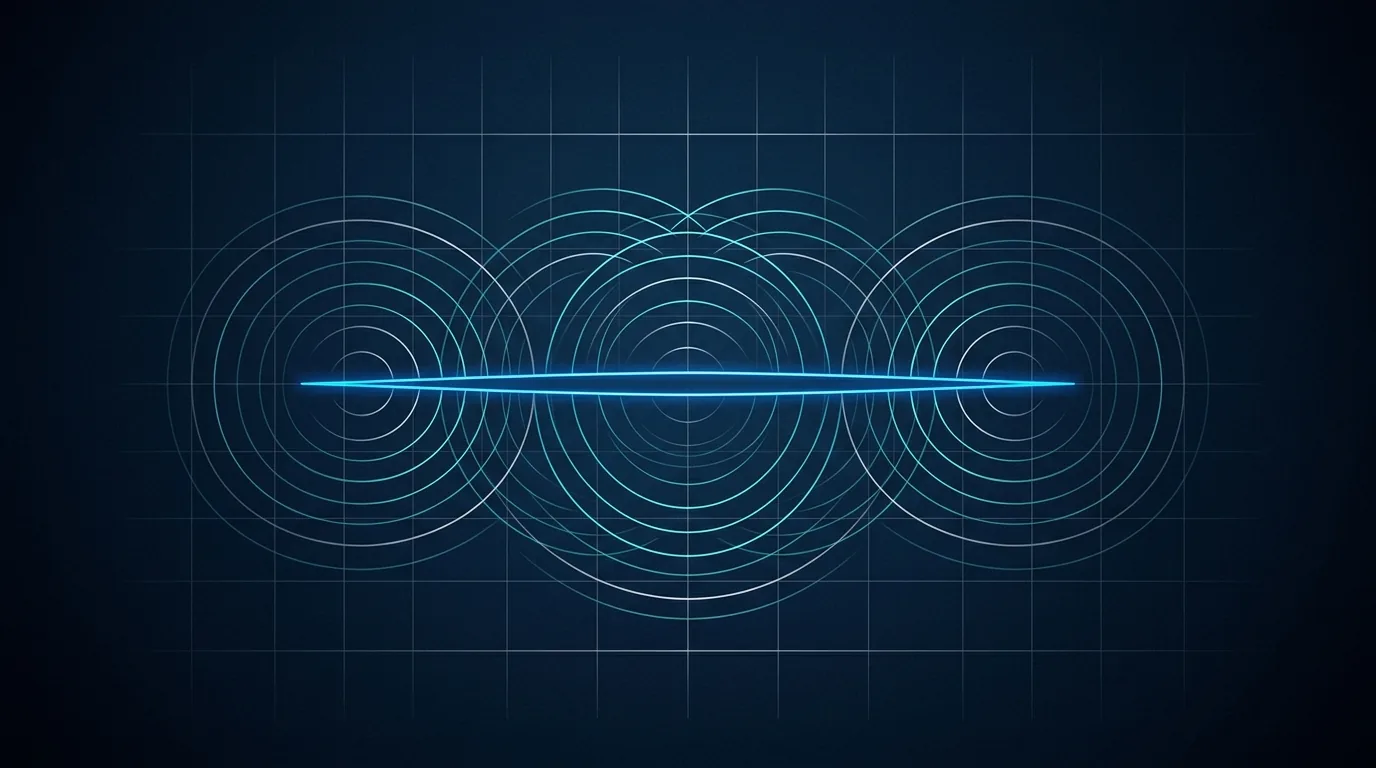
This intra-abdominal pressure is not a flaw to be eliminated. It stabilizes the spine and allows force to be transmitted during lifting, pushing, or straining. The problem begins when the pressure is managed badly and finds the weakest point of the wall to escape through.
In a person with a Diastasis of the Rectus muscles, the weakest point is precisely the Linea Alba, the connective seam that runs down the midline. When pressure rises and the seam is thin, the abdominal contents push forward and a visible doming or bulge appears along the center of the belly.
The same happens, in a different form, when a hernia is present: pressure seeks the defect. Understanding this simple mechanics explains why certain exercises feel wrong even before any imaging is done.
Why the way matters more than the movement
A recurring question is whether a specific exercise is forbidden. Framed that way, the question has no good answer. The same crunch can either overload the Linea Alba or barely stress it, depending entirely on how breathing and pressure are coordinated during the effort.
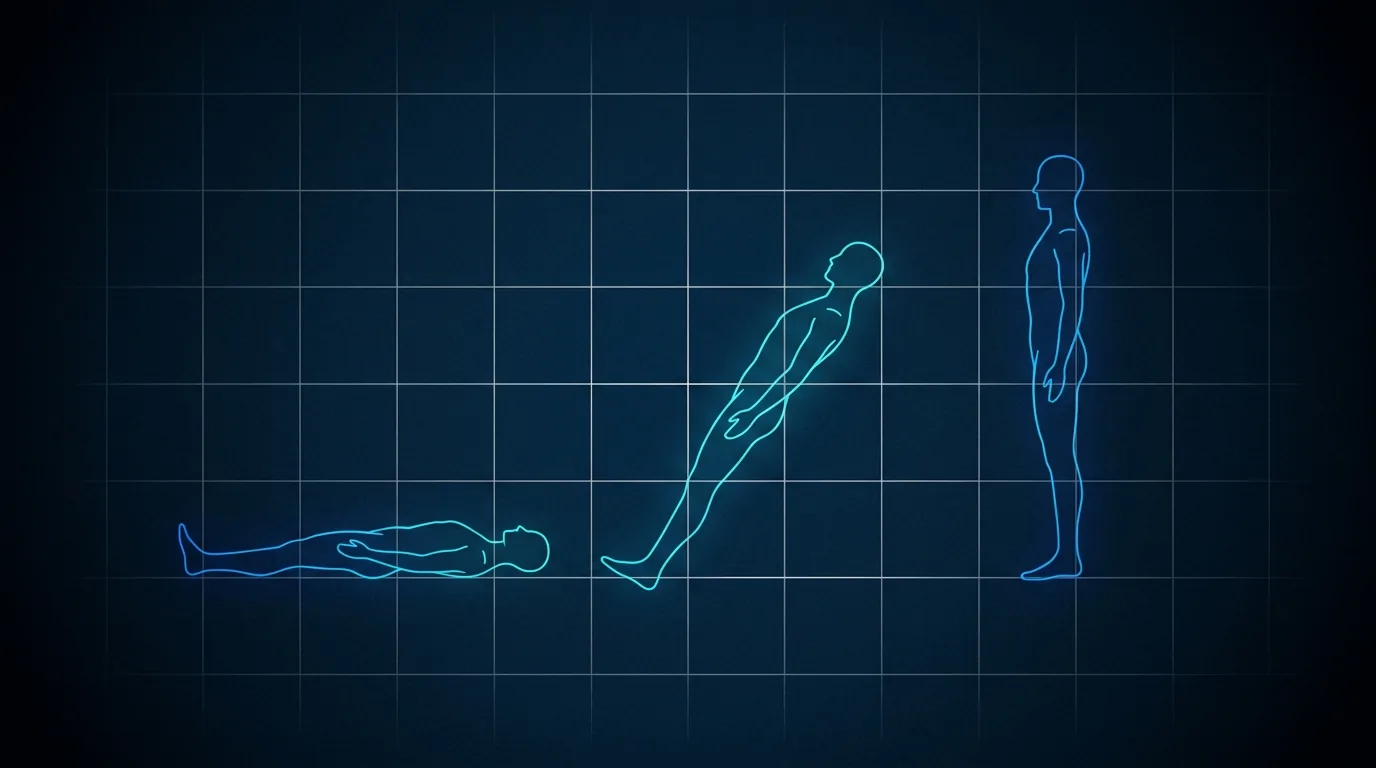
The typical harmful pattern is breath held against a closed glottis while the belly is pushed outward and downward. Pressure spikes, has nowhere to go, and loads the midline seam. Repeated many times, this pattern tends to keep a Diastasis wide and symptomatic.
The opposite pattern uses a controlled exhale at the moment of greatest effort, with a gentle drawing-in of the lower abdomen. Pressure is distributed rather than concentrated, and the deep muscles engage to support the wall instead of pushing against it.
Which exercises most often expose a poorly managed pattern? A short list helps, though none of these is absolutely forbidden:
- Full sit-ups and weighted crunches, which flex the trunk and raise pressure sharply against the midline.
- Long front planks held with the belly sagging and breath held.
- Heavy lifting performed with a Valsalva maneuver and no control of the exhale.
- Certain intense Pilates or fitness sequences that repeatedly dome the midline.
- High-impact abdominal work resumed too early after pregnancy or surgery.
The point of the list is not prohibition. It is that these movements reward good pressure management and punish poor management, so they are the ones where the difference shows up first.
What should be worked on first
The order of priorities matters. Chasing abdominal strength while pressure is still poorly managed tends to reinforce the wrong pattern. It is more reasonable to begin with breathing and with the ability to coordinate effort with the exhale.
In practice, the sequence usually goes from awareness to load. First, learning to breathe so that the ribcage and the abdomen move without the belly ballooning forward. Then, connecting that breath to simple movements. Only afterward adding resistance and complexity, watching the midline for any doming.
This progression is best supervised by a physiotherapist experienced in abdominal wall and pelvic floor rehabilitation. Self-directed programs found online can be reasonable starting points, but they cannot judge how a particular wall responds under load.
Honesty requires a limit to be stated clearly. Breathing work and controlled exercise improve function, posture, and often symptoms. They can narrow a mild Diastasis and make the wall more competent. They do not reliably close a wide separation, and they do not repair a true hernia.
When a separation is wide, symptomatic, and stable over time despite a well-conducted program, surgical repair may be discussed. That decision is never taken on the basis of appearance alone; it weighs symptoms, function, the width of the defect, and the person's overall situation, and it is made case by case.
How to tell whether a movement is safe
A useful home check is to watch and feel the midline during an effort. Doming or a ridge appearing along the center of the abdomen suggests that pressure is being pushed outward rather than managed. That is a signal to regress the exercise, not necessarily to abandon it.
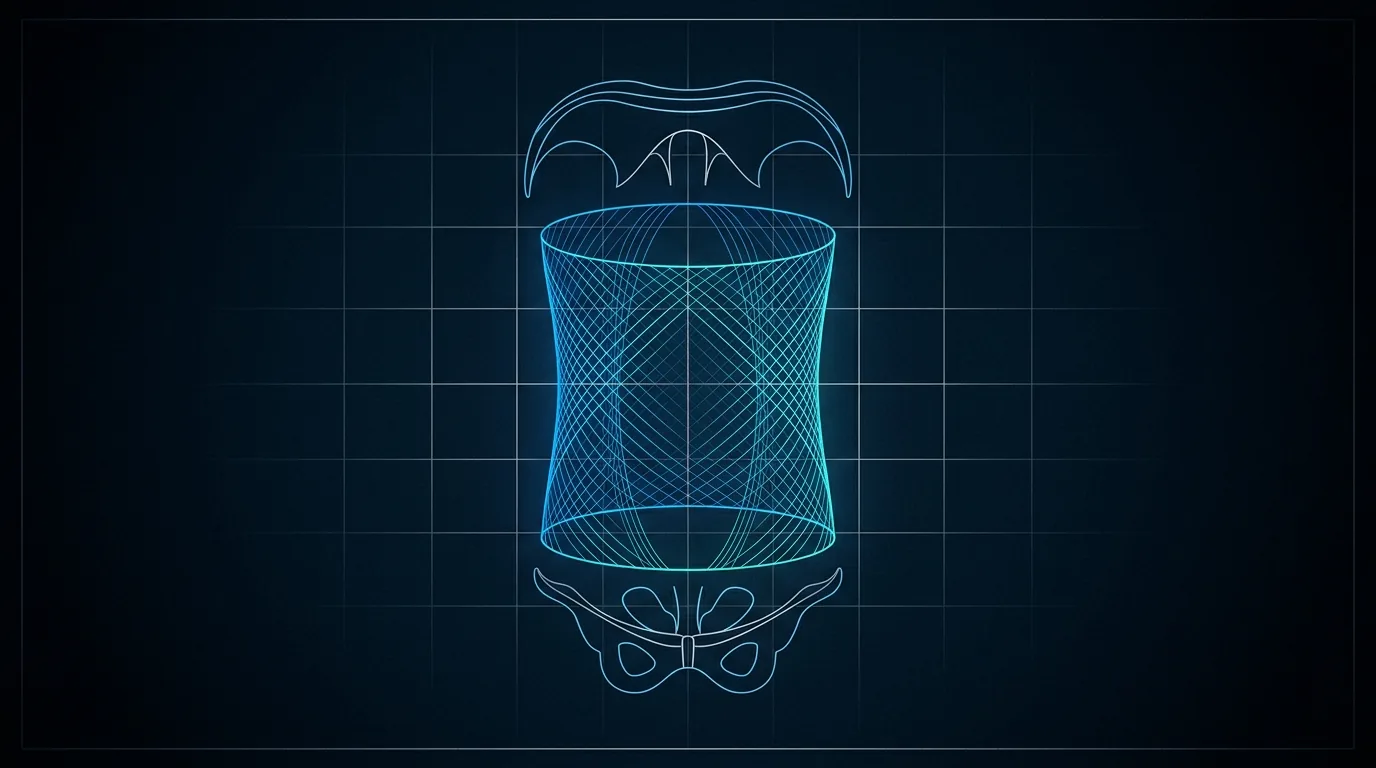
A second check concerns the breath. If an exercise can only be performed with the breath held, the load is probably too high for the current level of control. Reducing range or resistance until a controlled exhale becomes possible is generally the more productive path.
Discomfort along the midline, a sense of pressure into the pelvic floor, or leakage during effort all point in the same direction: pressure management needs attention before load is increased. None of these signs settles a diagnosis on its own, and each deserves an in-person evaluation.
Further reading
Related articles on this site cover what a Diastasis of the Rectus muscles is and how it is measured, the difference between a Diastasis and a true hernia, and when conservative management is enough versus when surgery becomes a reasonable option. Reading them together gives a fuller picture than any single page.
Sources
The mechanics described here draw on established anatomy and physiology of the abdominal wall, diaphragm, and pelvic floor, and on the rehabilitation literature concerning intra-abdominal pressure and rectus diastasis. No single trial establishes one correct exercise protocol, and recommendations continue to be debated. Where evidence is limited, that limit has been stated rather than concealed.
For a specific assessment of an abdominal wall, breathing pattern, or Diastasis, an in-person consultation allows the wall to be examined under effort and the sensible next steps to be discussed. Questions about which exercises are appropriate, and in what order, are best answered after that examination rather than in the abstract.
Frequently asked questions
- Are crunches always bad for a Diastasis?
- Not always. A crunch becomes a problem when it is done with the breath held and the belly pushed outward, which concentrates pressure on the Linea Alba and can dome the midline. The same movement, performed with a controlled exhale and a gentle drawing-in of the lower abdomen, loads the seam much less. What tends to matter is technique and progression, not the exercise in isolation.
- Can breathing exercises close a Diastasis?
- Breathing and coordinated core work can improve function, posture, and symptoms, and may narrow a mild separation over time. They do not reliably close a wide Diastasis, and they cannot repair a true hernia. It is honest to expect improvement in how the wall works rather than a guaranteed closure. When separation stays wide and symptomatic, surgical options are discussed on a case-by-case basis.
- What is intra-abdominal pressure and why does it matter?
- It is the pressure inside the abdominal cavity, bounded by the diaphragm above, the pelvic floor below, and the deep muscles and spine at the sides. It rises with every effort and helps stabilize the trunk. It matters because, when managed poorly, that pressure escapes toward the weakest point of the wall, which in a Diastasis is the midline seam that then bulges forward.
- How can I tell at home if an exercise is too much?
- Watch the midline of the abdomen during the effort: a ridge or doming along the center suggests pressure is being pushed outward rather than controlled. If the movement can only be done with the breath held, the load is likely too high. Pressure into the pelvic floor or leakage points the same way. These are signals to regress the exercise and seek an in-person assessment.
- Should I stop exercising until my Diastasis is assessed?
- Complete rest is rarely necessary and can be counterproductive. What usually helps is regressing to movements that can be performed with a controlled exhale and no midline doming, while arranging an assessment. High-impact abdominal work and heavy lifting with the breath held are the ones to postpone. A physiotherapist experienced in abdominal wall rehabilitation can guide a safe progression suited to the individual wall.
People also ask
- What is diastasis recti?
- What are the symptoms of diastasis recti?
- How do you check for diastasis recti at home?
- When does diastasis recti need surgery?
- Which exercises help diastasis recti?
Published on: 2026-09-20 · Content by Dr. Federico Fiori